
Puppy First-Year Guide from Columbia Square Animal Hospital in New Westminster
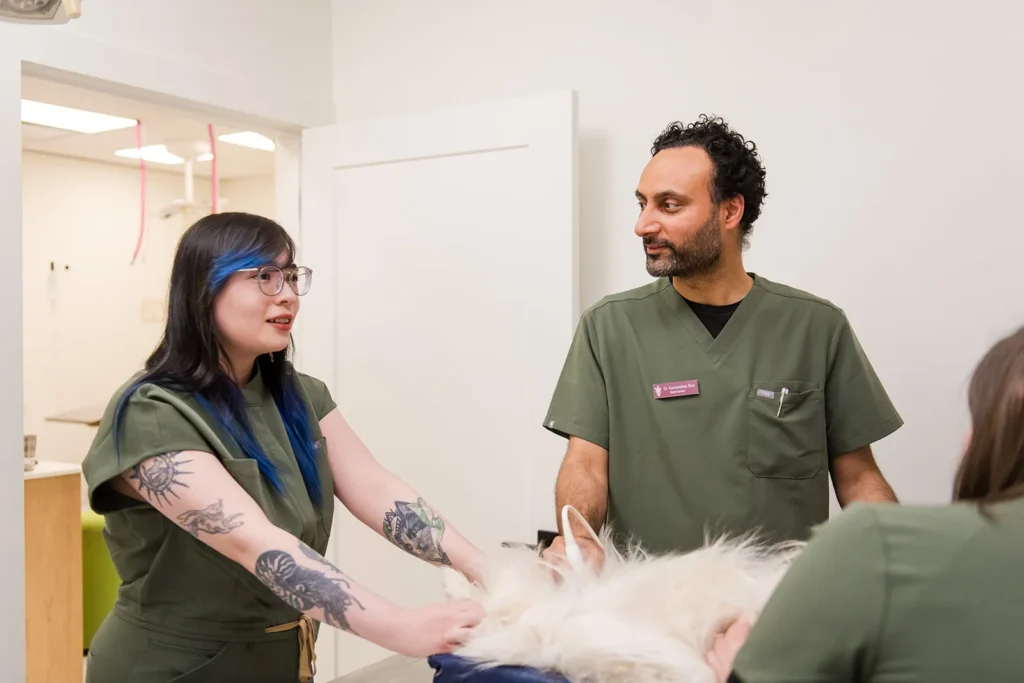
Bringing home a new puppy is one of the most rewarding experiences a pet owner can have, and the first year is full of important decisions that shape your dog’s health for life. The team at Columbia Square Animal Hospital in New Westminster is here to support you through every stage, from your puppy’s very first wellness visit to their one-year milestone. We are open seven days a week, Monday through Friday from 8:00 AM to 10:00 PM, Saturday from 8:00 AM to 6:00 PM, and Sunday from 8:00 AM to 3:00 PM, so expert guidance is always within reach. This guide covers everything you need to know about vaccines, nutrition, spay and neuter timing, parasite prevention, socialisation, and keeping your puppy safe in New Westminster’s unique urban environment.
Guide contents
Bringing Your Puppy Home
Before They Arrive
A little preparation before your puppy comes home makes the first days far smoother. Set up a safe, quiet space with a comfortable bed, water bowl, food dish, and a crate if you plan to crate train. Puppyproof your home by securing electrical cords, removing toxic plants, locking up cleaning supplies, and putting away any small objects that could be swallowed. Stock up on age-appropriate puppy food, a collar and identification tag, a lead, waste bags, and a few safe chew toys.
Book your puppy’s first wellness visit at Columbia Square Animal Hospital as early as possible, ideally within the first 48 to 72 hours of bringing them home. This first visit allows our team to complete a thorough physical examination, confirm your puppy’s health, start their vaccine series if timing is appropriate, and get you set up with a personalised care plan.
The First Week
The first week is all about building confidence and establishing routine. Keep your puppy’s environment calm and predictable. Introduce family members one at a time and limit noisy gatherings until your puppy has had a chance to settle in. Start establishing a consistent schedule for meals, toilet trips, naps, and short play sessions. Puppies sleep a great deal in their early weeks, and rest is just as important as activity for their development. Supervise them closely whenever they are awake and exploring, as this is when most household accidents and ingestions happen.
At-a-Glance Vaccine Schedule
The following schedule is a general guide for puppies in British Columbia. Your veterinarian at Columbia Square Animal Hospital will tailor the timing to your individual puppy’s age, health status, and lifestyle. Always call us at (604) 521-5572 before your puppy’s appointments if you have questions about timing.
6 to 8 weeks
DHPP (Distemper, Hepatitis, Parvovirus, Parainfluenza)
Core
First dose in the primary series. Often given by the breeder or rescue before the puppy comes home.
10 to 12 weeks
DHPP + Leptospirosis (first dose)
Core + Lifestyle
Lepto vaccine strongly recommended for New Westminster dogs due to local wildlife exposure. Bordetella (kennel cough) also recommended if puppy will attend classes, boarding, or dog parks.
14 to 16 weeks
DHPP + Rabies + Leptospirosis (booster)
Core + Core + Lifestyle
Rabies is required by law in BC. This completes the primary DHPP series. Leptospirosis booster given one month after first dose.
12 to 16 months
DHPP booster + Rabies booster + Leptospirosis annual
Booster
One-year boosters confirm long-term immunity. Timing of subsequent intervals (annual vs. triennial) discussed at this visit.
Important Note on Lifestyle Vaccines
Beyond the core vaccines listed above, some puppies in New Westminster benefit from additional protection based on their lifestyle and local environment.
Leptospirosis: This vaccine is strongly recommended for most dogs in the Lower Mainland. Leptospirosis is a bacterial infection spread through the urine of infected wildlife, particularly raccoons, skunks, and rats. New Westminster’s urban parks, the Brunette River corridor, and even neighbourhood puddles and stagnant water can harbour leptospires, especially in autumn after rainfall. The disease can affect the kidneys and liver and is transmissible to people. The vaccine requires two doses given three to four weeks apart, then an annual booster.
Bordetella (Kennel Cough): Recommended for puppies who will attend training classes, puppy socialisation groups, dog parks such as Queen’s Park or Moody Park, boarding facilities, or doggy daycare. Highly contagious and easily transmitted in shared spaces.
Canine Influenza: Less commonly required but worth discussing with your vet if your dog frequently interacts with large groups of dogs.
Heartworm: Heartworm risk in the Lower Mainland is very low compared to eastern Canada or the interior. Your vet can advise on whether preventive products are needed based on your puppy’s lifestyle and any planned travel.
Spay and Neuter
Spaying and neutering provides important health benefits, including eliminating the risk of certain reproductive cancers and pyometra (a life-threatening uterine infection in females), and reducing the risk of testicular cancer in males. The ideal timing depends on your puppy’s expected adult size. Larger breeds benefit from waiting longer to allow full skeletal development.
Small breeds
Under 10 kg
5 to 6 months
Medium breeds
10 to 25 kg
6 to 9 months
Large breeds
25 to 40 kg
9 to 15 months
Giant breeds
Over 40 kg
15 to 18 months
Columbia Square Animal Hospital performs spay and neuter procedures with full anaesthetic monitoring throughout, including heart rate, respiratory rate, oxygen saturation, blood pressure, and temperature. Your veterinarian will discuss the specific timing recommendation for your puppy at their wellness visits.
Nutrition for Your Puppy's First Year
A puppy’s nutritional needs are very different from those of an adult dog. Choose a food that meets the AAFCO (Association of American Feed Control Officials) nutritional standard for growth or for all life stages. Look for this statement on the label rather than relying on marketing language. Size-appropriate food matters: large breed puppies need a formulation designed specifically for large breeds to support controlled growth and protect developing joints. Feeding a large breed puppy standard puppy food can lead to skeletal problems.
Feeding Schedule by Age
- 8 to 12 weeks: four small meals per day
- 3 to 6 months: three meals per day
- 6 to 12 months: two meals per day (smaller breeds may transition earlier)
Avoid free-feeding, which makes it hard to monitor food intake and can contribute to obesity. Always have fresh water available. If your puppy has a digestive condition, coat issue, or other specific health concern, your veterinarian may discuss a therapeutic diet formulated to address those needs.
Parasites: What to Know
Intestinal Worms
Puppies are frequently born with intestinal parasites or acquire them through their mother’s milk. Roundworms and hookworms are particularly common and can also pose a risk to people, especially children. A deworming protocol is typically started at two to three weeks of age by the breeder or rescue and continued at regular intervals. Your veterinarian will check a fecal sample at your puppy’s wellness visits and recommend deworming as needed. Bring a fresh stool sample to every appointment.
Fleas and Ticks
Fleas and ticks are prevalent in New Westminster and the surrounding Lower Mainland. Fleas cause skin irritation, allergic reactions, and can transmit tapeworms and other parasites. Ticks are active in parks, trails, and wooded areas throughout the year in our mild coastal climate, with peak activity in spring and autumn. Your veterinarian can recommend a safe, effective preventive product appropriate for your puppy’s age and weight. Many products should not be used in puppies under a certain age or weight, so always confirm with your vet before starting any preventive.
Giardia
Giardia is a common intestinal parasite that thrives in soil and water sources in urban dog parks and public spaces. Puppies are at higher risk due to their habit of sniffing and mouthing everything. Symptoms include soft or mucousy stools and, in some cases, vomiting. Your veterinarian can test for giardia with a stool sample and recommend appropriate care if needed.
Heartworm
Heartworm is transmitted by mosquitoes and is rare in the Lower Mainland. If you plan to travel with your puppy to the Okanagan, eastern Canada, or the United States, speak with your vet about heartworm preventive before your trip.
A Note for Your Family
Some intestinal parasites are transmissible to people. Always wash hands after handling pet waste and keep children away from areas where dogs have toileted. Prompt pickup of dog waste is both a legal requirement in New Westminster and an important family health practice.
House Training
Consistent routine is the foundation of successful house training. Take your puppy outside immediately after waking up, after every meal, after play sessions, and before bed. Choose a consistent toilet spot outdoors. When your puppy eliminates outside, offer calm, quiet praise immediately. Avoid punishment for accidents indoors. If you catch your puppy mid-accident, a quiet “outside” and a prompt trip to the garden is more effective than scolding. Puppies do not have full bladder control until approximately four to six months of age.
Crate training supports house training by using the puppy’s natural instinct to avoid soiling their sleeping area. Introduce the crate gradually and positively. The crate should never be used as punishment. A well-introduced crate becomes a space where your puppy feels safe and settled.
Socialisation and Cooperative Care
The socialisation window for puppies is roughly three to twelve weeks of age. Experiences during this period have a lasting effect on your dog’s confidence and temperament. Introduce your puppy to a wide variety of sights, sounds, surfaces, people of different ages and appearances, and other calm animals in a positive, low-pressure way. Brief, positive exposures are far more valuable than prolonged or overwhelming ones.
Cooperative care is the practice of teaching your puppy to willingly participate in veterinary and grooming procedures rather than simply tolerating them. Start at home by regularly handling your puppy’s paws, ears, mouth, and tail. Pair every touch with a high-value treat so your puppy forms a positive association. Puppies raised this way are far less stressed at veterinary visits for the rest of their lives.
Puppy socialisation classes are an excellent investment for both you and your dog. Look for classes in New Westminster or Burnaby that use reward-based methods and limit class size to allow for individual attention. Confirm that all attending puppies are current on their vaccines before joining any group class.
Children and Other Pets
Children
Even the most gentle puppy should always be supervised around children. Teach children to approach your puppy calmly, let the puppy come to them, and avoid reaching over the puppy’s head or disturbing them while eating or sleeping. Never allow children to chase, corner, or pick up a puppy without guidance. Teach children that a puppy walking away or hiding is asking for space and that request should always be respected.
Other Dogs
Introduce your new puppy to resident dogs on neutral ground, ideally in a calm outdoor area. Keep both dogs on a loose lead for the first meeting. Watch body language closely. Stiff posture, hard staring, and raised hackles are signs to slow down and increase distance. Most dogs adjust to a new puppy within one to two weeks, but some need more time. Separate food and water bowls and give each dog their own resting space.
Cats
Allow your resident cat full freedom to escape and observe the puppy from a height before any direct interaction. Gate off a cat-only space where the puppy cannot follow. Never force an introduction. Allow the cat to dictate the pace entirely. Most cats and puppies reach a comfortable coexistence within weeks when introductions are handled patiently.
Foreign-Body Ingestion Hazards
Puppies explore the world with their mouths, and intestinal obstruction from swallowed foreign objects is a genuine emergency. Common items that cause obstructions include socks, underwear, rubber toys, corn cobs, fruit pits, small toys, bottle caps, strings, and anything that fits in your puppy’s mouth. Symptoms of a foreign body obstruction include vomiting (especially repeated vomiting), loss of appetite, lethargy, a painful or swollen abdomen, and straining to defecate.
If you suspect your puppy has swallowed something they should not have, call Columbia Square Animal Hospital immediately at (604) 521-5572. Do not wait to see if they pass it on their own. Early intervention greatly improves outcomes.
Holiday and Household Hazards
Toxic Foods for Dogs
- Grapes, raisins, and currants (can cause sudden kidney failure)
- Onions, garlic, leeks, and chives (damage red blood cells)
- Chocolate and caffeine (can cause vomiting, tremors, and seizures)
- Xylitol (an artificial sweetener found in gum, candy, and some peanut butters)
- Macadamia nuts
- Alcohol (even small amounts are dangerous to dogs)
- Cooked bones (splinter and cause obstruction or internal injury)
Toxic Plants
- Autumn crocus, azalea, rhododendron, daffodil bulbs, lily of the valley, oleander, and yew are all toxic to dogs
- Death cap mushrooms (Amanita phalloides) appear in autumn in BC, including in parks and lawns. They are lethal to dogs and people. If you see pale, white-capped mushrooms in your garden or at the park, keep your puppy well away
- Slug bait containing metaldehyde is extremely toxic. Check your garden and neighbouring garden beds, especially in wet weather
Household Hazards
- Cleaning products, antifreeze, and fertilisers must be stored securely out of reach
- Electrical cords should be covered or secured to prevent chewing
- Human pain relievers including ibuprofen, acetaminophen, and aspirin are toxic to dogs. Never give your puppy any human medicine without veterinary guidance
Puppy Dental and Developmental Notes
Deciduous Teeth and Teething
Puppies have 28 deciduous (baby) teeth that typically erupt between three and six weeks of age. The adult teeth begin pushing through at around three to four months and the process is usually complete by seven months. During teething, your puppy will want to chew more than usual. Offer safe, appropriately sized chew toys and redirect chewing away from furniture and clothing.
Retained Deciduous Teeth
A retained deciduous tooth is one that has not fallen out by the time the adult tooth is erupting in the same position. This is most common in small and toy breeds and is typically seen with the upper canine teeth. Retained teeth crowd the adult tooth, alter its position, and can lead to painful dental problems. If you notice two teeth occupying the same space, mention it to your veterinarian at your next visit. Retained teeth usually require extraction under anaesthesia.
Developmental Checks
Umbilical hernias appear as a small soft lump at the navel. Most are minor and close on their own. A large hernia or one that hardens or becomes painful should be evaluated promptly. Inguinal hernias occur in the groin area and are less common but more significant when present.
Cryptorchidism is the failure of one or both testicles to descend into the scrotum by six months of age. Undescended testicles carry a significantly elevated risk of cancer and must be removed. Inform your veterinarian if you cannot palpate both testicles when your male puppy is around six months old.
Grooming Basics
Establishing a grooming routine early makes lifelong grooming far easier. Introduce your puppy to brushing, nail trims, ear checks, and tooth brushing gradually and positively, using treats throughout. Even short-coated breeds benefit from weekly brushing and regular nail trims. Long-coated and double-coated breeds will need more frequent brushing to prevent matting and manage seasonal shedding.
Aim to introduce nail trimming within the first few weeks at home. Trim a tiny amount frequently rather than allowing the nails to grow long and then taking a large clip all at once. Overgrown nails affect posture and gait. If your puppy is resistant, ask our team for tips on gradual desensitisation techniques at your next visit.
Local Health Notes: New Westminster
Raising a puppy in New Westminster means navigating a handful of local health considerations that are specific to this city and the broader Lower Mainland. Being informed about them from the start gives your puppy the best possible start.
Leptospirosis and Urban Wildlife
Leptospirosis is confirmed in the Lower Mainland and is considered an endemic risk for dogs in urban environments like New Westminster. Raccoons, skunks, and rats shed leptospiral bacteria in their urine, which contaminates soil and standing water. Dog parks with puddles, Hume Park near the Brunette River, Quayside Dog Park near the Fraser River, and any area with wildlife activity can be sources of exposure. The vaccine is recommended for most dogs in this region. Discuss it with your veterinarian at Columbia Square Animal Hospital.
Salmon Poisoning Disease
Dogs in BC can develop a serious bacterial infection after eating raw or undercooked salmon, trout, or other Pacific fish. Called salmon poisoning disease, it is caused by a bacterium carried inside a parasitic fluke found in fresh and salt water fish along the Pacific coast. Symptoms begin within approximately seven days of eating infected fish and include vomiting, bloody diarrhoea, fever, swollen lymph nodes, and collapse. Without prompt care, the disease is fatal in the majority of cases. Never allow your puppy or dog to eat raw fish or scavenge fish carcasses near the Fraser River, Brunette River, or any waterway. Call us immediately at (604) 521-5572 if you suspect your dog has eaten raw fish.
Ticks
Ticks are prevalent in New Westminster and the Lower Mainland throughout the year. They are found in wooded areas, long grass, and shrub borders, including around local parks and trails. Check your puppy thoroughly after any outing through vegetated areas, paying close attention to the ears, between the toes, around the collar, and in the groin. Talk to your veterinarian about year-round tick prevention, especially if your puppy will spend time on trails.
Coyotes and Urban Wildlife
Coyotes are present throughout New Westminster and pose a real risk to small and medium-sized dogs, especially off-leash. Keep your puppy on a lead in areas where coyote activity has been reported. Never let a puppy or small dog outside unsupervised at dusk or dawn. If a coyote approaches, stand tall, make yourself large, and make loud noises to deter it. Black bears have been sighted in the area of Hume Park, which backs onto the Brunette River. Secure food and pet food outdoors.
Death Cap Mushrooms
Death cap mushrooms (Amanita phalloides) appear in BC lawns and parks during autumn, often after rain. They are pale, white-capped, and may look innocuous, but even a small amount is lethal to dogs. Scan your yard and any park area you visit during mushroom season. If you see white-capped mushrooms, keep your puppy well away. Call us immediately if your puppy chews or eats any mushroom.
Dog Licensing and Bylaws
All dogs in New Westminster must be licensed annually. Licensing is available through the City of New Westminster at newwestcity.ca. Dogs must be leashed on all public property except in designated off-leash areas. New Westminster has several designated off-leash parks, including Queen’s Park, Moody Park, Hume Park, and Quayside Dog Park. Keep your puppy on lead in all other public areas to comply with the bylaw and to keep them safe while their training and recall are still developing.
Low-Stress Veterinary Visits
Before the Visit
Feed your puppy a light meal two hours before the appointment so that high-value treats will be motivating during the visit. Bring your puppy’s favourite treats and a small toy if they have one. If your puppy is small enough to carry, hold them confidently so they feel secure. If they arrive in a carrier, make sure the carrier smells familiar and comfortable by leaving it out at home with a blanket inside.
In the Clinic
Let your puppy sniff and explore the waiting room at their own pace. Sit on the floor with them if they seem uncertain. Reward calm behaviour with treats throughout the visit. Our team at Columbia Square Animal Hospital works at a gentle pace during examinations to keep the experience as positive as possible.
Happy Visits
Happy visits are short, informal drop-ins where your puppy comes to the clinic just to receive treats from the front desk and leave without any examination or procedure. These visits teach your puppy that the veterinary clinic is a place where good things happen. Ask our team if you can arrange a happy visit between appointments. Puppies who receive several happy visits become adult dogs who walk confidently through the clinic door.
When to Contact Us
Columbia Square Animal Hospital can be reached at (604) 521-5572. We are open seven days a week, including weekday evenings until 10:00 PM. We provide same-day urgent care during all clinic hours for situations that need prompt attention.
Contact Us Same Day For
- Vomiting more than twice, or any bloody vomiting
- Diarrhoea with blood, or more than two to three episodes in a single day
- Suspected ingestion of a toxic food, plant, mushroom, or household chemical
- Suspected swallowing of a foreign object
- Seizure, collapse, or loss of consciousness
- Difficulty breathing, open-mouth breathing, or abnormal breathing sounds
- Pale, white, or blue gums
- Eye injuries, sudden squinting, or discharge from the eyes
- Suspected ingestion of raw fish
- Trauma from a fall, car accident, or animal attack
- Sudden inability to bear weight on a limb
- Swollen or painful abdomen
Schedule a Routine Appointment For
- Upcoming vaccine appointments and wellness exams
- Soft or loose stools persisting beyond 24 hours
- Mild skin irritation, itching, or licking
- Questions about nutrition, feeding schedules, or appropriate food
- Retained baby teeth or other developmental questions
- First flea or tick found on your puppy
- Concerns about behaviour or house training
- Planning for spay or neuter
Pet Insurance
Pet insurance is most affordable when purchased before your puppy has any documented health history. Policies purchased before the first veterinary appointment often provide the most comprehensive coverage with the fewest exclusions. Shop around and compare annual limits, deductibles, reimbursement percentages, and which conditions or hereditary issues are excluded. The following providers offer pet insurance plans in Canada (this list is for educational purposes only and does not constitute an endorsement by Columbia Square Animal Hospital):
- Trupanion
- Pets Plus Us
- Petsecure
- Economical Insurance
- Intact Insurance
Frequently Asked Questions
When does my puppy need their first vaccines, and what do they cover?
Puppies typically begin their vaccine series between six and eight weeks of age with the DHPP vaccine, which protects against distemper, hepatitis, parvovirus, and parainfluenza. These core vaccines are given in a series every three to four weeks until your puppy is at least sixteen weeks old, at which point their immune system can mount a reliable long-term response. Rabies is given at the fourteen to sixteen week visit and is required by law in British Columbia. Call Columbia Square Animal Hospital at (604) 521-5572 to book your puppy’s first appointment and get a vaccination schedule tailored to them.
What is the right age to spay or neuter my puppy in New Westminster?
The ideal age depends on your puppy’s expected adult size. Small breed dogs are commonly spayed or neutered around five to six months. Medium breeds are typically ready between six and nine months. Large and giant breeds benefit from waiting longer, often until twelve to eighteen months, to allow full skeletal maturity before the procedure. Your veterinarian at Columbia Square Animal Hospital will recommend the right timing for your individual puppy at their wellness visits.
Does my puppy need the leptospirosis vaccine?
For most puppies in New Westminster, the leptospirosis vaccine is strongly recommended. Leptospirosis is spread through the urine of infected wildlife, including raccoons and skunks, which are common throughout the Lower Mainland. Exposure can happen anywhere dogs encounter puddles, stagnant water, soil, or wildlife, including at local parks such as Hume Park and Quayside Dog Park. The disease can cause serious kidney and liver damage. The vaccine requires two doses given three to four weeks apart, then annual boosters. Speak with your veterinarian to confirm whether this vaccine is right for your puppy.
How do I know if my puppy has intestinal parasites?
Intestinal parasites do not always cause obvious symptoms, which is why a fresh stool sample is checked at every wellness visit. When symptoms do occur, they can include soft or mucousy stools, scooting, vomiting, a pot-bellied appearance in young puppies, and visible worms in the stool or around the hindquarters. Roundworms can sometimes be seen as spaghetti-like segments. Bring a fresh stool sample to every appointment at Columbia Square Animal Hospital so we can check for parasites even when your puppy appears healthy.
What type of food should I feed my puppy during their first year?
Choose a food that carries an AAFCO nutritional adequacy statement for growth or all life stages. For large breed puppies, select a food specifically formulated for large breeds, as these are designed to support controlled bone and joint development. Feed according to the manufacturer’s guidelines adjusted for your puppy’s actual weight, and check with your veterinarian if you are unsure whether your puppy is at the right body condition. Our team can provide detailed nutrition guidance at your wellness appointments.
Can I take my puppy to Queen's Park or Moody Park in New Westminster before they are fully vaccinated?
It is safest to wait until your puppy has completed their primary DHPP vaccine series before visiting busy public dog parks in New Westminster. The ground and standing water at shared dog parks can harbour parvovirus and other infectious agents for months. Before vaccination is complete, focus on socialisation in lower-risk settings such as the yards of friends with fully vaccinated dogs, or carry your puppy in areas where they will not make contact with the ground. Your veterinarian can advise on when your specific puppy is adequately protected to visit public parks safely.
My puppy seems to have two teeth in the same spot. Is that a problem?
Yes, this is worth bringing to your veterinarian’s attention promptly. A retained deciduous (baby) tooth is one that has not fallen out as the adult tooth erupts in the same position. This is most common in small and toy breeds and most often affects the upper canine teeth. When two teeth share the same space, the adult tooth is pushed out of alignment and food and bacteria accumulate between the teeth, leading to gum disease and pain. Retained teeth are typically removed under anaesthesia during a dental procedure or combined with the spay or neuter surgery.
- #104 – 78 Tenth St., New Westminster, BC V3M 3X3
- Phone: (604) 521-5572
- Fax: (604) 521-5570
- Email: receptioncsah@gmail.com
- Website: https://columbiasquareanimalhospital.com
- Monday to Friday: 8:00 AM – 10:00 PM
- Saturday: 8:00 AM – 6:00 PM
- Sunday: 8:00 AM – 3:00 PM
Disclaimer: This guide is intended for general educational purposes only and does not constitute veterinary medical advice. Individual animals differ, and the information provided here may not apply to every puppy or every situation. Always consult a licensed veterinarian for guidance specific to your pet’s individual health needs. Columbia Square Animal Hospital is not responsible for outcomes arising from reliance on the general information in this guide without veterinary consultation.