
Kitten First-Year Guide from Columbia Square Animal Hospital in New Westminster
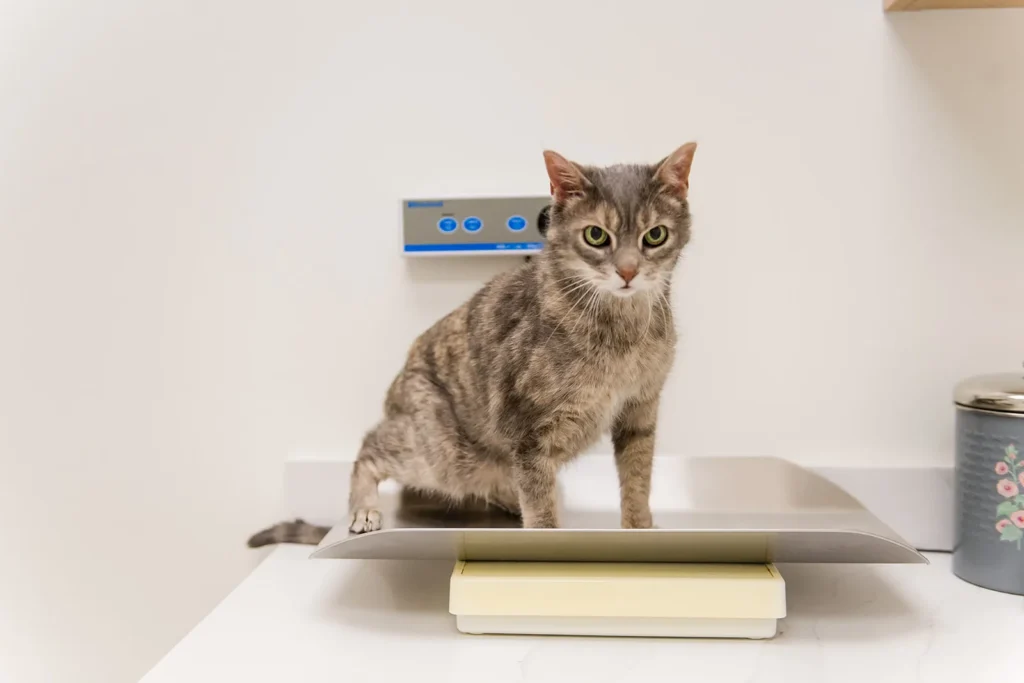
The first year of a kitten’s life moves quickly. Habits, health, and personality all take shape in those early months, and the decisions you make during this time will influence your cat’s wellbeing for years to come. The team at Columbia Square Animal Hospital in New Westminster is here to guide you through every milestone, from your kitten’s first wellness visit to the end of their first full year. We are open seven days a week, Monday through Friday from 8:00 AM to 10:00 PM, Saturday from 8:00 AM to 6:00 PM, and Sunday from 8:00 AM to 3:00 PM. This guide covers vaccines, nutrition, spay and neuter, parasite prevention, litter box success, indoor safety, and what to watch for in New Westminster specifically.
Guide contents
Bringing Your Kitten Home
Before They Arrive
Set up a small, quiet room before your kitten arrives. A bathroom or spare bedroom works well. The space should contain a litter box, food and water bowls (not adjacent to the litter box), a comfortable bed or blanket, a scratching post, and a few safe toys. Cats feel most secure when they can observe their environment from a height, so a cat tree or cleared shelf is a great addition. Secure any gaps behind appliances where a small kitten could become trapped, and remove dangling cords and strings.
Book your kitten’s first wellness visit at Columbia Square Animal Hospital within 72 hours of bringing them home. This early visit establishes a health baseline, begins the vaccine series, and catches any issues from the breeder or shelter environment before they become problems. Early care sets the foundation for a long, healthy life.
The First Week
Keep your kitten confined to their safe room for the first few days and allow them to explore the rest of the home gradually over the first week or two. This helps a shy kitten build confidence without becoming overwhelmed. Spend quiet time sitting with your kitten in their room so they learn to associate your presence with comfort and safety. Introduce other household pets slowly and always through a closed door first, letting them get used to each other’s scent before any face-to-face contact.
At-a-Glance Vaccine Schedule
The following schedule is a general guide for kittens in British Columbia. Your veterinarian at Columbia Square Animal Hospital will tailor the timing to your kitten’s individual age, health status, and lifestyle. Call us at (604) 521-5572 if you have questions before any appointment.
8 weeks
FVRCP (Feline Viral Rhinotracheitis, Calicivirus, Panleukopenia)
Core
First dose. Often given by the breeder or shelter before adoption.
12 weeks
FVRCP booster + FeLV (Feline Leukaemia Virus)
Core + Lifestyle
FeLV recommended for all kittens before their lifestyle is established. First FeLV dose.
16 weeks
FVRCP final booster + Rabies + FeLV booster
Core + Core + Lifestyle
Rabies is required by law in BC. This completes the primary kitten series.
12 to 16 months
FVRCP booster + Rabies booster + FeLV (if ongoing risk)
Booster
One-year boosters confirm long-term immunity. Frequency adjusted based on lifestyle.
Important Note on Lifestyle Vaccines
The most important lifestyle consideration for cats is whether they have any outdoor access, including supervised outdoor time, a catio, or a shared garden. Even occasional exposure to other cats or wildlife changes the risk profile significantly.
Feline Leukaemia Virus (FeLV): FeLV is transmitted through close contact with infected cats, shared food bowls, grooming, and bite wounds. It is recommended for all kittens before their lifestyle is established, and then annually for any cat with outdoor access or contact with cats of unknown FeLV status. A blood test to rule out existing infection is typically recommended before starting the FeLV vaccine series.
Rabies: Required by law in British Columbia and administered at the sixteen week visit. Particularly important for cats with any outdoor access given the presence of bats, which are the primary rabies vector in BC.
Indoor-only cats: Strictly indoor cats who have no contact with other cats of unknown status still benefit from core FVRCP and Rabies vaccines. Indoor cats can slip outside, and unforeseen circumstances can arise. Core vaccination is always recommended.
Spay and Neuter
Spaying a female kitten before her first heat cycle eliminates the risk of pyometra (a life-threatening uterine infection) and significantly reduces the risk of mammary tumours. Neutering a male kitten reduces or eliminates roaming, spraying, and the risk of testicular cancer. The standard recommendation for kittens is spaying or neutering at five to six months of age, before sexual maturity.
Cats can reach sexual maturity as early as four months in some cases. An unspayed female kitten can become pregnant on her very first heat cycle. Early spay and neuter is the most effective way to prevent unwanted litters.
Columbia Square Animal Hospital performs spay and neuter procedures with complete anaesthetic monitoring including heart rate, respiratory rate, oxygen saturation, blood pressure, and temperature. Your kitten will receive a thorough pre-surgical health check, and our team will walk you through pre- and post-operative care before your appointment.
Nutrition for Your Kitten's First Year
Cats are obligate carnivores. Their bodies require animal-based protein to function and cannot produce certain essential nutrients on their own, including taurine, which is critical for heart and eye health. Never feed a kitten a vegan or vegetarian diet.
Choose a kitten food with an AAFCO nutritional adequacy statement for growth or all life stages. Avoid foods that list grains or vegetables as the primary ingredient. Both wet and dry foods can meet nutritional needs, but wet food provides valuable moisture, which supports kidney and urinary tract health in cats who tend not to drink enough water on their own. Many veterinarians recommend a combination of wet and dry food.
Feeding Schedule by Age
- 8 to 12 weeks: four small meals per day
- 3 to 6 months: three meals per day
- 6 to 12 months: two meals per day
Toxic Foods for Cats
- Onions, garlic, chives, and leeks (damage red blood cells)
- Grapes and raisins
- Xylitol (artificial sweetener found in some gums, candy, and products)
- Alcohol in any form
- Raw dough with yeast (expands in the stomach)
- Chocolate and caffeine
- Raw fish (can destroy thiamine over time and carries other risks)
If your kitten has a specific health concern, your veterinarian may recommend a therapeutic diet formulated to address it. Our nutrition team can guide you at your wellness appointments.
Parasites: What to Know
Intestinal Worms
Kittens frequently harbour roundworms and hookworms, often acquired from their mother. Deworming typically begins at two to three weeks and is repeated at regular intervals before adoption. Your veterinarian will check a fecal sample at your kitten’s wellness visits and recommend further deworming as needed. Bring a fresh stool sample to every appointment.
Fleas and Ear Mites
Fleas are common in kittens coming from shelters or multi-cat households. They cause intense itching, skin irritation, and, in young kittens, can cause anaemia if the infestation is heavy. Ear mites are also common in kittens and cause dark, crumbly debris inside the ear canal and persistent scratching at the ears. Both are easy to treat once identified. Your veterinarian will check for both at your kitten’s first visit.
FIV and FeLV Testing
Feline Immunodeficiency Virus (FIV) and Feline Leukaemia Virus (FeLV) are serious viral infections transmissible between cats through close contact, bite wounds, and shared resources. A simple blood test, typically run in-house at Columbia Square Animal Hospital, checks for both viruses at the same time. Testing is strongly recommended for all newly adopted kittens, especially those of unknown history.
Giardia
Giardia is common in kittens from shelters or group environments. Symptoms include soft, mucousy, or foul-smelling stools. It is identified by microscopic examination of a stool sample and is treatable with appropriate care from your veterinarian.
Litter Box Success
Most kittens learn litter box habits naturally from their mother. Success depends on keeping the box clean, accessible, and sized appropriately. A box that is too small, too deep, or too difficult to enter will be avoided.
Setup and Maintenance
- Provide one litter box per cat, plus one extra
- Place boxes in quiet, low-traffic areas with clear escape routes in multi-cat homes
- Scoop at least once daily. Full cleans weekly
- Avoid placing litter boxes adjacent to food and water
- Use unscented litter wherever possible. Heavily fragranced litters deter many cats
When Litter Box Problems Are a Medical Signal
If your kitten suddenly stops using the litter box, or if you notice them straining, crying in the box, producing very small amounts of urine, urinating outside the box, or producing blood-tinged urine, contact Columbia Square Animal Hospital at (604) 521-5572 same day. These signs can indicate a urinary tract infection, blockage, or other medical issue that requires prompt attention. Never assume a litter box problem is purely behavioural without first ruling out a physical cause with your veterinarian.
Socialisation and Cooperative Care
The primary socialisation window in kittens runs from approximately two to nine weeks of age. Kittens who are handled gently and frequently during this period tend to be more confident, adaptable, and at ease with people throughout their lives. If your kitten arrived from a home where they received regular human contact during this window, you have an excellent foundation to build on.
For older kittens who had limited early handling, patience and positive reinforcement go a long way. Keep interactions short and positive, and always allow the kitten to end the interaction by walking away.
Start carrier training from day one. Leave the carrier out in your home with a comfortable blanket inside so your kitten learns to regard it as a familiar, safe space. Feed meals inside the carrier occasionally. Kittens who are calm in their carrier are far less stressed at veterinary visits. Covering the carrier with a towel during transport helps reduce visual stimulation and anxiety.
Play, Enrichment, and Safety
Play is essential for a kitten’s physical and mental development. It simulates hunting behaviour and burns energy that would otherwise go into unwanted household destruction. Aim for two to three dedicated play sessions per day using a wand or feather toy that allows your kitten to stalk, pounce, and catch. Always end play with a “kill” so your kitten experiences a satisfying conclusion to the hunt.
Safe and Unsafe Toys
- Safe: wand toys (supervised use only), crinkle balls, small stuffed toys without small parts
- Unsafe: string, ribbon, rubber bands, hair ties, small buttons, feather toys with wire handles left unsupervised
Window Safety
High-rise syndrome (falls from windows and balconies) is a real danger for urban cats. Ensure all windows above ground level have secure screens rated for pet safety. Balconies should be fully screened or netted if your cat has access. Cats do not always land safely and falls from height cause serious injury.
Outdoor Enrichment Options
A catio (an enclosed outdoor enclosure) allows your cat to experience fresh air, sights, and sounds safely. Harness and lead training is another option for kittens who adapt well to it. Introduce harness training gradually and always in a secure area before any outdoor walks.
Children and Other Pets
Children
Teach children to approach your kitten slowly, crouch down rather than reaching from above, and let the kitten choose whether to approach. Kittens have sharp claws and teeth and will use them if they feel cornered or overstimulated. Teach children to watch for signs that the kitten wants space: tail lashing, flattened ears, dilated pupils, or skin rippling along the back. Respecting these signals prevents the vast majority of cat-related scratches and bites.
Other Cats
Introduce a new kitten to a resident cat over five to seven days or more. Keep them separated by a door initially, then exchange bedding so they learn each other’s scent, then use a cracked door for supervised visual access before any direct contact. Rushing this process is the most common reason cat introductions fail. Provide high spaces so each cat can observe the other from safety.
Dogs
Introduce your kitten and resident dog carefully, with the kitten on a high surface and the dog on a lead. Never leave them unsupervised until their relationship is fully established. Provide your kitten with dog-free zones they can always retreat to. Most kittens and dogs establish a comfortable relationship when introductions are handled patiently and the kitten always has the option to disengage.
Foreign-Body Ingestion Hazards
The single greatest ingestion risk for cats is linear foreign bodies, which include string, ribbon, yarn, tinsel, rubber bands, hair ties, thread, and dental floss. When a cat swallows a linear object, one end becomes anchored at the base of the tongue or around the intestine while peristalsis causes the intestine to bunch and “accordion” around the string. This causes severe intestinal damage and is often life-threatening. Surgery is almost always required.
Never allow your kitten to play with string, ribbon, or any linear object unsupervised. Store these items out of reach completely. If you ever see a string hanging from your cat’s mouth or protruding from their hindquarters, do not pull it. Call Columbia Square Animal Hospital immediately at (604) 521-5572.
Holiday and Household Hazards
Toxic Plants for Cats
Lilies are the most dangerous plants for cats and deserve particular emphasis. True lilies (Easter lily, tiger lily, Asiatic lily, daylily) cause acute kidney failure in cats, and even small exposures, including pollen on the fur licked off during grooming, can be fatal. Remove lilies from your home and garden entirely if you share your space with cats. Other common toxic plants include:
- Tulip bulbs and daffodil bulbs
- Sago palm (extremely toxic, causes liver failure)
- Pothos, philodendron, and monstera (common houseplants that cause oral irritation)
- Autumn crocus (can cause multi-organ failure)
- Oleander and foxglove
Death cap mushrooms (Amanita phalloides), which appear in BC lawns and gardens in autumn, are also toxic to cats. Keep your kitten away from any unidentified mushrooms.
Essential Oils and Diffusers
Many essential oils are toxic to cats, including tea tree, peppermint, eucalyptus, citrus, clove, and cinnamon. Cats have poor liver metabolism for certain compounds and cannot process them safely. Avoid using essential oil diffusers in enclosed rooms where your cat spends time, and never apply essential oils directly to your cat’s coat or skin.
Human Medicines and Cleaning Products
Acetaminophen (Tylenol) is highly toxic to cats, even in very small doses, and causes red blood cell damage and liver failure. Never give your cat any human pain reliever. Many household cleaners, particularly those containing phenols (pine-based cleaners, Lysol), are also dangerous to cats. Store all medicines and cleaning products in secured cupboards.
Grooming Basics
The grooming routine your kitten needs depends on their coat type. Short-coated cats generally self-groom efficiently and benefit from weekly brushing to reduce shedding and hairballs. Medium and long-coated cats require daily brushing to prevent matting, particularly around the neck, armpits, and hindquarters where tangles form fastest. Never allow a severely matted coat to develop. Matting pulls painfully on the skin and requires shaving under sedation to resolve.
Nail Care
Trim your kitten’s nails every two to three weeks using small, sharp cat nail trimmers. Trim only the clear tip, well away from the pink quick (the blood vessel inside the nail). Handle your kitten’s paws from the beginning so nail trims become routine rather than stressful. If your kitten is resistant, start with one paw per session and work up gradually.
Ear Care and Toothbrushing
Check your kitten’s ears weekly for dark debris or odour, which may indicate ear mites or an infection. Introduce toothbrushing with a finger brush and pet-safe toothpaste from an early age. Daily brushing is ideal. Cats who have their teeth brushed from kittenhood are significantly less likely to require dental procedures under anaesthesia as adults.
Local Health Notes: New Westminster
New Westminster has some specific features that cat owners should be aware of when raising a kitten in this city.
Coyotes and Outdoor Safety
Coyotes are a confirmed and significant threat to outdoor cats in New Westminster. The City of New Westminster explicitly identifies coyotes as the primary killer of domestic cats in the city. Raccoons can also injure or kill cats. If you plan to allow your kitten outdoor access as an adult, a fully enclosed catio is the safest option. Cats who roam freely in New Westminster neighbourhoods face meaningful wildlife risk, in addition to the dangers of traffic and exposure to other cats carrying infectious disease.
Ticks and Outdoor Exposure
Ticks are confirmed prevalent in the New Westminster area. Cats who spend time outdoors in gardens, grassy areas, or park-adjacent spaces can pick up ticks. Check your kitten after any outdoor access, paying close attention to the head, neck, ears, and between the toes. Talk to your veterinarian about tick prevention options appropriate for cats.
Secondary Poisoning Risk
The City of New Westminster notes that cats can become victims of secondary poisoning by hunting prey that has ingested rodenticide (rat poison). If your neighbourhood has rat or mouse control programmes active, keep your kitten indoors to prevent this risk. Slug bait containing metaldehyde is also a risk for cats who access gardens.
Toxic Plants in BC Autumn
Death cap mushrooms appear in BC lawns, gardens, and parks during autumn after rain. They are white-capped and may look harmless, but are lethal. If your kitten has any garden access, scan for mushrooms regularly in autumn and remove them or restrict access. Lilies, which are discussed in the hazards section above, are also a year-round concern for any cat in BC.
Cat ID Requirements
All cats in New Westminster must have permanent identification, typically a microchip. Ensure your kitten is microchipped and that your current contact information is registered to the chip. A collar with a breakaway safety clasp and an ID tag is an excellent addition but should not replace a microchip. If your kitten slips out and is found, a microchip is the most reliable way to ensure they are returned to you.
Low-Stress Veterinary Visits
Carrier Training
The carrier should never be associated only with veterinary visits. Leave it out permanently in your home with comfortable bedding inside. Feed meals and treats in the carrier regularly so your kitten learns it is a safe, familiar space. A cat who is relaxed in their carrier before leaving home arrives at the clinic far calmer than one who was just chased around the room and stuffed into a box.
Before the Visit
Cover the carrier with a light towel during transport to reduce visual stimulation from the car environment. Bring high-value treats. Avoid feeding a full meal immediately before the visit if your kitten tends to be car-sick, but do not restrict food overnight. A somewhat hungry kitten is more motivated by treat rewards during the examination.
In the Clinic
Let your kitten stay in the carrier until your veterinarian is ready to begin the examination. Cats feel most comfortable when they can observe and sniff before being handled. Our team at Columbia Square Animal Hospital works at a gentle, unhurried pace and uses low-stress handling techniques to keep visits as calm as possible.
Happy Visits
Between appointments, consider bringing your kitten in for a brief happy visit, where they receive treats from our front desk team and leave without any examination. These visits build a positive association with the clinic and make future appointments much easier.
When to Contact Us
Columbia Square Animal Hospital can be reached at (604) 521-5572. We are open seven days a week, including weekday evenings until 10:00 PM. We provide same-day urgent care during all clinic hours.
Contact Us Same Day For
- Straining to urinate, crying in the litter box, or producing no urine (male cats especially)
- Vomiting more than twice, or any bloody vomiting
- Suspected ingestion of a lily, toxic plant, mushroom, or household chemical
- String, ribbon, or linear object visible in the mouth or protruding from the hindquarters
- Laboured, open-mouth, or rapid breathing
- Collapse, extreme weakness, or unresponsiveness
- Pale or white gums
- Seizure
- Eye injuries or sudden onset of squinting or discharge
- Trauma from a fall, animal attack, or vehicle accident
- Sudden hiding or complete loss of appetite lasting more than 24 hours
Schedule a Routine Appointment For
- Upcoming vaccine appointments and wellness visits
- Soft or mucousy stools persisting beyond 24 hours
- Mild skin irritation, hair loss, or persistent scratching
- Sneezing, eye or nasal discharge (upper respiratory symptoms)
- Questions about nutrition, feeding, or food choices
- Planning for spay or neuter
- FIV and FeLV testing for a newly adopted kitten
- Dental care guidance and tooth brushing introduction
Pet Insurance
Pet insurance is most affordable and comprehensive when purchased before your kitten has any documented health history. Coverage purchased before the first appointment typically provides the fewest exclusions. Compare annual limits, deductibles, reimbursement percentages, and what is and is not covered before choosing a plan. The following providers offer pet insurance plans in Canada (this list is for educational purposes only and does not constitute an endorsement by Columbia Square Animal Hospital):
- Trupanion
- Pets Plus Us
- Petsecure
- Economical Insurance
- Intact Insurance
Frequently Asked Questions
When should my kitten get their first vaccines, and what do they cover?
Kittens begin their vaccine series at eight weeks with the FVRCP vaccine, which protects against feline viral rhinotracheitis, calicivirus, and panleukopenia. FeLV (feline leukaemia) is added at twelve weeks for all kittens before their lifestyle is established. Rabies is given at sixteen weeks and is required by law in British Columbia. Call Columbia Square Animal Hospital at (604) 521-5572 to book your kitten’s first appointment and get a vaccination plan tailored to their needs.
What is the right age to spay or neuter my kitten in New Westminster?
The standard recommendation for kittens is spaying or neutering at five to six months of age, before sexual maturity. Cats can reach sexual maturity as early as four months, and an unspayed female can become pregnant on her very first heat cycle. Early spay and neuter is the most effective way to prevent unwanted litters and provides important long-term health benefits. Columbia Square Animal Hospital can discuss your kitten’s individual timing at their wellness visits.
Does my kitten need to be tested for FIV and FeLV?
Yes. FIV and FeLV testing is recommended for all newly adopted kittens, particularly those of unknown history. Both viruses are serious, lifelong infections that can be transmitted between cats and that affect immune function and overall health. A simple in-house blood test at Columbia Square Animal Hospital checks for both viruses at the same visit. Testing before vaccination also confirms your kitten is not already infected before starting the FeLV vaccine series.
My kitten has stopped using the litter box. What should I do?
A sudden change in litter box behaviour is one of the most important things to bring to your veterinarian’s attention promptly. Urinary tract infections, bladder stones, and urinary blockages are common in cats and can present as inappropriate elimination, straining, or producing small amounts of urine. These are medical concerns, not behavioural ones. Call Columbia Square Animal Hospital at (604) 521-5572 if your kitten is straining in the box, urinating outside the box, or producing very little urine. Male cats who cannot urinate are in an emergency situation and need care the same day.
Is it safe to let my kitten outside in New Westminster?
The City of New Westminster identifies coyotes as the primary predator of outdoor cats in the city. Raccoons also pose a risk. Ticks, traffic, exposure to cats of unknown infectious disease status, and secondary poisoning from rodenticide are additional outdoor dangers. If you want your cat to enjoy outdoor enrichment safely, a fully enclosed catio or supervised harness and lead time are the safest options for cats in New Westminster. Indoor-only cats in New Westminster consistently live longer, healthier lives than cats with unsupervised outdoor access.
What should I feed my kitten during their first year?
Choose a kitten food with an AAFCO nutritional adequacy statement for growth or all life stages. Cats are obligate carnivores and require animal-based protein, including the essential amino acid taurine, which is found only in animal tissue. Wet food provides valuable moisture that supports kidney and urinary tract health, which is important in cats who tend to drink little water on their own. Many veterinarians recommend a combination of wet and dry food. Our team can advise on specific feeding amounts and frequency at your kitten’s wellness appointments.
How quickly can an unspayed kitten become pregnant?
Cats can reach sexual maturity as early as four months of age, though five to six months is more typical. A female kitten can become pregnant on her very first heat cycle, and cats can come into heat multiple times a year. There is no safe minimum age at which an unspayed female kitten is reliably too young to become pregnant. Scheduling your kitten’s spay appointment before five months of age eliminates this risk entirely and provides lifelong health benefits.
- #104 – 78 Tenth St., New Westminster, BC V3M 3X3
- Phone: (604) 521-5572
- Fax: (604) 521-5570
- Email: receptioncsah@gmail.com
- Website: https://columbiasquareanimalhospital.com
- Monday to Friday: 8:00 AM – 10:00 PM
- Saturday: 8:00 AM – 6:00 PM
- Sunday: 8:00 AM – 3:00 PM
Disclaimer: This guide is intended for general educational purposes only and does not constitute veterinary medical advice. Individual animals differ, and the information provided here may not apply to every kitten or every situation. Always consult a licensed veterinarian for guidance specific to your pet’s individual health needs. Columbia Square Animal Hospital is not responsible for outcomes arising from reliance on the general information in this guide without veterinary consultation.